
An office mouse can seem like a small choice until a long workday makes every click noticeable. A stiff wheel, a cramped thumb, or a sensor that skips across a glossy desk can interrupt steady work. The right optical mouse should feel predictable, fit your hand, and track reliably on the surfaces you actually use. Small details matter.
This guide to the 7 Best Optical Mouse for Office Work in 2026 compares practical features, not just packaging claims. It considers wired and wireless options, hand comfort, button placement, scroll feel, sensor consistency, and battery demands. Ergonomics researcher Dr. Alan Hedge is associated with the reminder, “The best posture is your next posture.” That principle also encourages regular movement rather than expecting any mouse to solve every comfort issue.
The Optical Mouse Office market includes compact travel models, quiet-click designs, and larger shapes for extended desk use. A mouse that feels effortless for one person may strain another; hand size and grip style change the experience. I’ll admit that specifications alone can be misleading. A high polling rate may sound impressive, but many office users will notice a comfortable shape sooner. These picks aim to make trade-offs clear, so you can match a mouse to spreadsheets, video calls, shared workspaces, or everyday browsing. No single model suits everyone. A few minutes of testing can reveal more than a polished product photo.
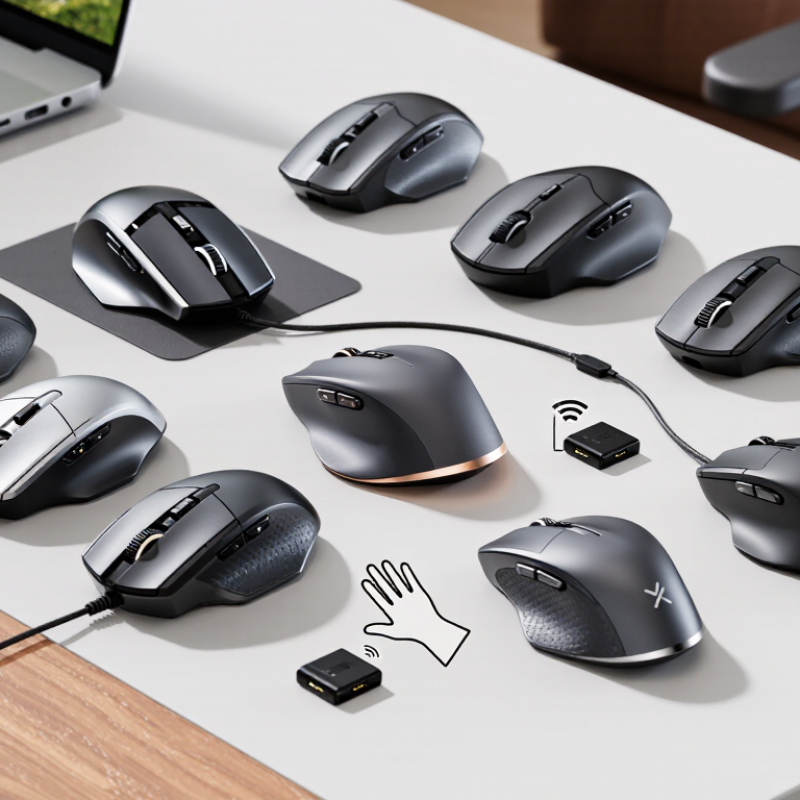
Optical mouse technology helps turn small hand movements into steady cursor control. A light source illuminates the desk, while a sensor reads surface details many times each second. This makes common tasks—selecting spreadsheet cells, dragging files, and scrolling through reports—feel responsive without demanding much setup. On a clean, matte desk, tracking is usually consistent. Small details matter. Glass or glossy surfaces can confuse some sensors, so performance depends partly on the work area, not just the mouse.
Tips: Keep the sensor window clear of dust, and test the mouse on your actual desk before relying on it for long sessions. If the cursor skips, try a plain mouse pad or adjust pointer speed. A very high speed setting may reduce hand movement, but it can make precise edits harder.
Comfort also affects everyday use. Choose a shape that lets your fingers rest naturally, and avoid gripping tightly during long tasks. Optical tracking does not prevent wrist fatigue; breaks and a neutral wrist position still matter. One small frustration remains: a mouse that feels fine for five minutes may feel awkward after a full afternoon. Pay attention to that difference.
An office mouse should track steadily on the surfaces you actually use, including a matte desk or mouse pad. Compare adjustable sensitivity, but do not treat a high DPI figure as proof of accuracy. For spreadsheets, check whether the scroll wheel moves in small, predictable steps. Test the pointer at both slow and fast speeds. Small differences matter.
Comfort is personal. A 2023 global workplace survey of 31,000 people across 31 markets found that 68% lacked enough uninterrupted focus time during the workday. A mouse cannot fix interruptions, but awkward hand positioning can add friction. Check whether the shape supports your palm, whether the buttons are easy to reach, and whether the device feels balanced after an hour. Try it seated at your normal desk height. Fit varies.
Also assess connection stability, battery life, and compatibility with your computer’s operating system. A wired model avoids charging; a wireless one keeps the desk clearer, but needs dependable pairing. Inspect the wheel and buttons for firm, consistent feedback, and look for a clearly stated durability rating. In a practical comparison, record discomfort, missed clicks, and tracking skips across several work sessions. One short test can mislead.
Choosing an optical mouse for office work is less about chasing the highest sensitivity and more about matching the device to a real desk. This comparison looks at seven options through three practical lenses: design, performance, and value. Shape matters during long sessions. A rounded shell may suit a relaxed grip, while a lower profile can slide easily into a laptop bag. Small details count, too. A textured wheel is easier to control when scrolling through long documents, and quiet clicks help in shared rooms.
Sensor numbers need context. High sensitivity can make a pointer jump across a small screen, so adjustable settings are often more useful than a large maximum figure. A reliable optical sensor should track smoothly across an ordinary desk mat. Battery life, connection stability, and accessible side buttons also affect daily use. Not everyone needs extra buttons, though. They can get in the way.
Value depends on fit, not just price. A basic wired model may be dependable for a fixed workstation, while a wireless option reduces cable clutter. Before buying, check the mouse’s dimensions against your hand and note whether its shape supports your usual grip. One limitation in any seven-mouse comparison is that comfort varies widely between people. A model that feels precise in a short test may become tiring after an afternoon of spreadsheets.
Office work rarely involves one kind of movement. Spreadsheet users make repeated, precise pointer adjustments, while people reviewing plans or long documents may scroll for hours. A medium-sized optical mouse with a clear scroll wheel can suit these mixed tasks. Small details matter. Check that the pointer tracks steadily on your usual desk, not just on a showroom surface.
Writers and email-heavy users may prefer a simple shape that lets the hand rest naturally. A high-profile shell can support the palm, while a smaller, lighter mouse may feel easier to reposition. Neither shape suits everyone. If you switch between hands, look for a symmetrical design; side buttons can make some models less comfortable for left-handed use. For shared desks or commuting, a compact mouse is easier to pack, though it may feel cramped during a long editing session.
For detailed design work, adjustable pointer speed helps move between small selections and broad screen areas. Office calls also make quiet clicks and a smooth wheel worthwhile. Optical sensors generally track well on matte surfaces, but clear glass can be unreliable. Try the mouse with your normal grip for several minutes. A specification sheet cannot predict wrist comfort, and even a well-reviewed shape may press awkwardly against one person’s thumb.
Office mouse priorities by work style
How to read this: Ratings are an illustrative 1–5 guide to the relative importance of each feature, not measured product performance. Prioritize the features that match your daily tasks.
A good office mouse should work with the computer you already use. Check whether it connects by USB receiver, Bluetooth, or cable, and confirm your operating system supports its features. A receiver can be convenient, but it may occupy a scarce port. Bluetooth avoids that, though pairing can take a little patience. Small details matter. If you switch between devices, look for straightforward switching controls rather than assuming every model handles it equally well.
Ergonomics depends on your hand, grip, and desk setup. A mouse that feels comfortable for five minutes may press against your palm after a long spreadsheet session. Notice where your fingers rest and whether your wrist stays fairly neutral. Try it on your actual desk surface; some optical sensors track poorly on glossy or patterned finishes. A simple mouse pad can help. I would not choose by sensitivity numbers alone: high sensitivity can make precise selection harder until adjusted. Test the pointer speed, scroll wheel, and button reach before settling in. The setup may feel slightly fiddly at first, and that is worth allowing for.
| Mouse Type | Best For | Optical Tracking | Ergonomics | Compatibility and Setup | Buyer Considerations |
|---|---|---|---|---|---|
| Wired ergonomic mouse | Fixed desk setups and buyers who prefer a simple connection | Optical sensor; tracking performance and selectable sensitivity vary by model | A contoured shape may support a relaxed hand position; check size and right- or left-hand fit | Connects through USB. Check connector compatibility and operating-system support; an adapter may be needed for some ports | No battery or wireless pairing; the cable can limit movement and add desk clutter |
| Wireless ergonomic mouse with USB receiver | Office users who want a shaped mouse without a cable | Optical sensor; surface requirements and tracking specifications differ by model | A fuller body can provide palm support; choose a shape and size that feel comfortable during extended use | Uses a compatible USB receiver. Install batteries or charge as directed, then connect the receiver | Check receiver storage, battery type, and whether the receiver works with the computer’s available ports |
| Vertical optical mouse | Users who prefer a more upright hand position | Optical tracking; sensitivity settings and sensor performance vary between models | The angled grip changes wrist and forearm posture; the shape may take time to get used to and is not a medical treatment | Available connection methods vary. Confirm handedness, operating-system support, and any required software before purchase | Compare hand-size guidance and button placement; allow an adjustment period when switching from a conventional mouse |
| Ambidextrous optical mouse | Shared workstations, left-handed users, and buyers who prefer a symmetrical shape | Optical sensor; check the product specifications for sensitivity and surface guidance | Symmetrical designs can suit either hand, though side buttons or sculpting may favor one hand | Wired and wireless versions are available. Check button assignments and any software needed to change them | A compact, symmetrical body may offer less palm support than a larger contoured design |
| Compact travel optical mouse | Hybrid workers and people who carry a mouse between locations | Optical tracking; verify the specified tracking surfaces, since not every sensor works equally well on every surface | Small dimensions save bag space but may feel cramped for larger hands during long sessions | May connect by USB cable, wireless receiver, or Bluetooth, depending on the model. Confirm the computer supports the chosen connection | Look for a travel-friendly design and check battery or charging needs before commuting |
| Bluetooth optical mouse | Desks where keeping a USB receiver available is inconvenient | Optical sensor; performance details, including sensitivity, are model-specific | Available in several shapes; choose based on hand size, grip style, and expected daily use | Requires Bluetooth support on the computer. Pair through the operating system’s Bluetooth settings and check supported OS versions | Check battery life claims and charging method; Bluetooth availability and pairing behavior can vary by computer |
| Multi-device optical mouse | Users switching between a work computer and another compatible device | Optical tracking; sensor specifications and surface compatibility depend on the model | Comfort depends on the body shape and hand fit; switching-device controls should be easy to reach | May combine Bluetooth and a USB receiver. Check the number of supported connections, OS compatibility, and switching procedure | Confirm that each device supports the selected connection method; extra features may require software or configuration |
Note: These are general buyer-oriented mouse types, not named product models. Features, compatibility, sensor specifications, and setup steps vary by individual model; verify the manufacturer’s current specifications before buying.