How to Choose High Temperature Rubber Foam Insulation Tube?
Selecting the right High Temperature Rubber Foam Insulation Tube is crucial in industrial applications. Proper insulation enhances energy efficiency and reduces operational costs. According to a report by MarketsandMarkets, the global insulation market is projected to grow from USD 63 billion in 2022 to USD 84 billion by 2027. High temperature applications demand materials that can withstand extreme conditions, making the choice of insulation crucial.
Quality and performance are key factors when selecting these tubes. Factors such as thermal resistance, durability, and flexibility greatly impact overall effectiveness. Studies show that using the correct high temperature insulation can reduce energy loss by up to 30%. One must consider both the installation environment and the specific requirements of the equipment involved.
However, choosing the right product can be challenging. Many options exist, and not all products are created equal. Some tubes may not perform as advertised, leading to confusion and costly mistakes. It's essential to rely on reputable suppliers and verified data to make informed decisions. In the world of industrial insulation, knowledge is power.
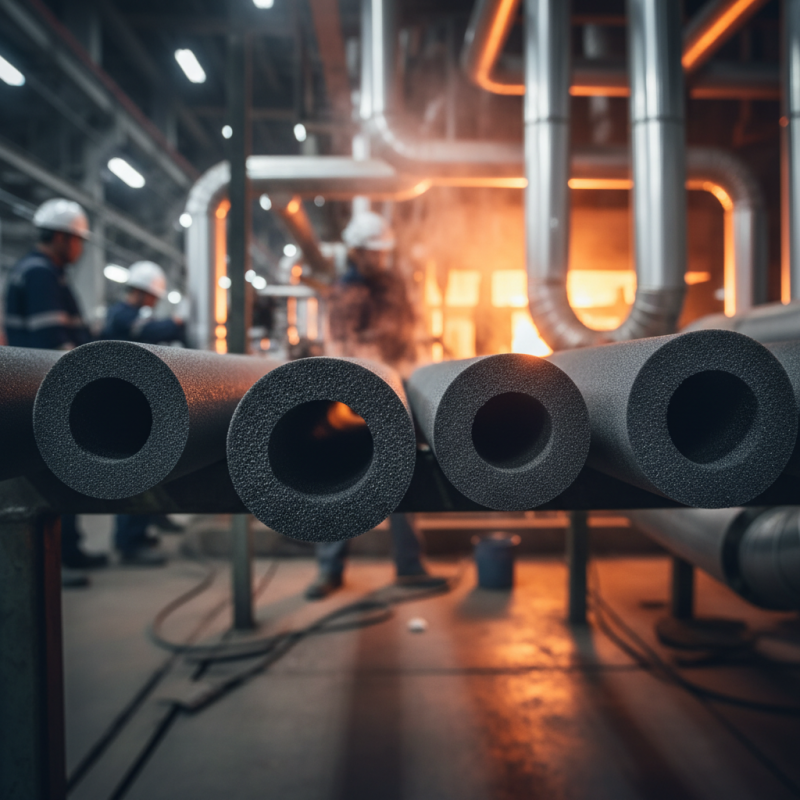
Factors to Consider When Selecting High Temperature Rubber Foam Insulation
When selecting high temperature rubber foam insulation, several factors should guide your decision. First, temperature rating is crucial. High temperature rubber foam typically withstands temperatures up to 180°C (356°F). Understanding the specific operating conditions of your application can prevent premature failure. According to industry reports, products exceeding recommended limits can lose their insulation properties over time.
Another essential consideration is density. Insulation tubes with higher densities often offer better thermal resistance. A report from the Insulation Manufacturers Association states that density levels of 80-100 kg/m³ result in superior performance for industrial applications. It is also vital to assess the physical properties such as flexibility and compressive strength. Those properties directly impact installation and long-term reliability.
Environmental resistance plays a role too. High temperature rubber foam must endure exposure to oils, chemicals, and moisture. These factors can cause degradation over time. A study in the Journal of Applied Polymer Science highlighted that resistance to abrasion and chemicals needs careful evaluation. Assessing your unique requirements and conducting thorough tests can unearth potential weaknesses in your selection. Feedback from installation experiences can also shine light on issues that may not be apparent in initial evaluations.
Factors to Consider When Selecting High Temperature Rubber Foam Insulation
Types of High Temperature Rubber Foam Insulation Available in the Market
When selecting high-temperature rubber foam insulation, it’s crucial to understand the various types available. These insulation tubes can vary significantly. Common types include closed-cell and open-cell rubber foam. Closed-cell rubber foam provides excellent moisture resistance. It is ideal for environments exposed to humid conditions. Open-cell rubber foam, on the other hand, offers better sound absorption but has lower moisture resistance.
Consider the temperature range when choosing insulation. Some foams can handle high temperatures up to 220°F, while others may endure extreme heat beyond 300°F. This difference can impact their performance. In industries such as HVAC or automotive, the right choice can prevent costly damage.
Tips for selecting the right insulation include checking the material specifications. Always verify the manufacturer’s data. Look for certifications that prove the product’s thermal performance. A good fit is essential for efficiency. Ensure the insulation tightly fits around pipes or ducts. Misfits can lead to energy loss and condensation issues. Always plan ahead for installation conditions. A good installation can prevent future maintenance issues.
Evaluating Thermal Resistance and Performance Specifications
When evaluating thermal resistance and performance specifications for high temperature rubber foam insulation tubes, focus on key factors. Begin by understanding the material's insulation properties. Look for a high R-value, which indicates better thermal resistance. Durable rubber foam withstands higher temperatures, ensuring lasting performance under heat stress.
Consider the thickness of the insulation tube. Thicker materials generally provide better insulation. However, excessive thickness can lead to complications in installation or space constraints. Balancing between effective insulation and practical application is essential.
Tips for selection: Test the material in real-world conditions. Assess how it performs under various temperatures. Also, check certification standards that verify its thermal properties. Remember, not all products perform the same under extreme conditions. Take time to reflect on your choices and potential long-term impacts on energy efficiency. Being informed leads to better decisions.
Understanding Application Requirements and Environmental Conditions
When selecting high temperature rubber foam insulation tubes, understanding application requirements and environmental conditions is crucial. High temperature applications often involve exposure to heat sources, which can accelerate material degradation. According to the Insulation Manufacturers Association, proper insulation can reduce energy loss by up to 40%. This significant reduction underscores the importance of choosing the right material for the job.
Temperature fluctuations can create challenges. In environments where temperatures can rise above 200°F, rubber foam must maintain its integrity. High density materials generally perform better under stress but can be more expensive. The material must also resist moisture and chemical exposure. Depending on the industry, these factors become critical in ensuring long-term performance.
Moreover, some installations may not account for expansion and contraction of materials. This oversight can lead to insulation failure. Engineers and builders should always consider specific environmental factors to avoid such mistakes. Often, it’s the lack of attention to detail that leads to inefficiencies and increased costs. Therefore, a thorough understanding of application conditions is essential.
Installation and Maintenance Tips for High Temperature Rubber Foam Insulation
When installing high temperature rubber foam insulation, precision is crucial. Start by measuring the pipes accurately. Cut the insulation tubes properly to fit snugly around the pipes. Ensure there are no gaps. Gaps can lead to heat loss and reduced efficiency. Choosing the right adhesive is also important. A strong, heat-resistant adhesive will help secure the insulation in place.
Maintenance of high temperature rubber foam insulation is equally important. Regularly inspect the insulation for signs of wear or damage. Look for cracks or holes that could compromise the insulation’s effectiveness. If you find any issues, address them promptly. Minor repairs can prevent more serious problems later. Not everyone remembers to schedule maintenance, yet it is essential for optimal performance.
Additionally, ensure the area around the pipes is clean and dry. Moisture can degrade the insulation over time. Even small amounts of water can lead to significant damage. Check for leaks in the system regularly. Preventative measures can save time and costs in the long run.

