How to Choose the Best Smart Plug Outlet for Your Needs?
The rise of smart home technology has transformed how we interact with our living spaces. According to a report by MarketsandMarkets, the Smart Plug Outlet market is projected to reach USD 3.89 billion by 2025, reflecting a growing consumer demand for convenience and energy efficiency. Smart plug outlets enable users to control their devices remotely, saving energy and enhancing security. However, choosing the right one can be daunting. Each model offers different features, capacities, and smart capabilities.
When evaluating smart plug outlets, consider your specific needs. Some plugs focus on energy monitoring, while others offer voice control compatibility or scheduling options. A study by Grand View Research found that 30% of consumers prioritize energy management features. These insights highlight the importance of aligning product choices with personal usage scenarios. Yet, amidst the plethora of options, understanding features and compatibility remains challenging.
Not all smart plug outlets are created equal. There may be compatibility issues with certain devices or networks. Additionally, some users report their smart devices underperforming or failing to connect. Reflecting on these experiences helps users make more informed decisions. By examining factors like reliability and feature sets, you can choose the best smart plug outlet for your needs.
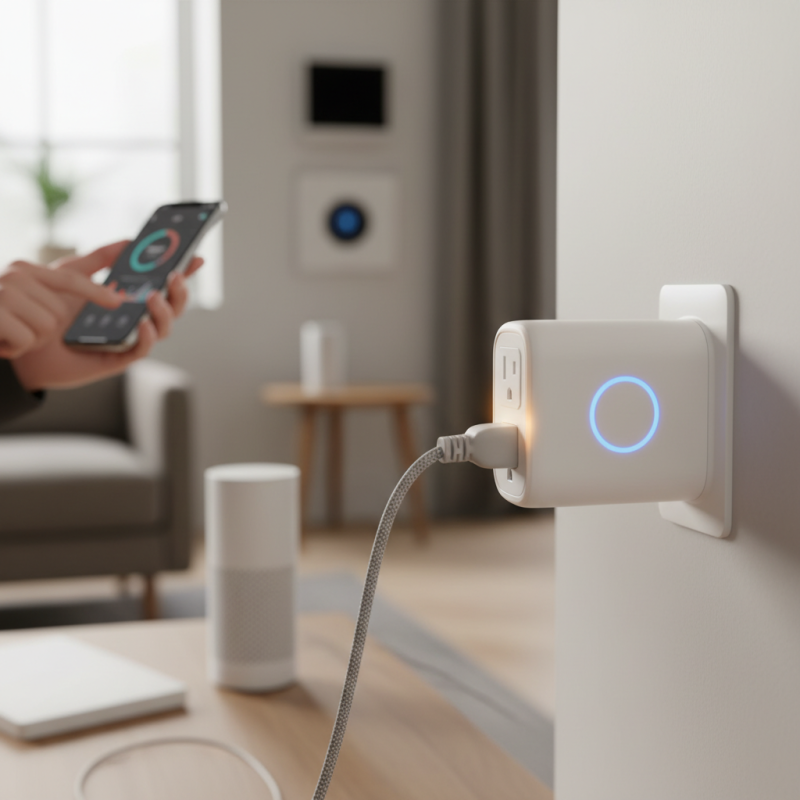
Understanding Smart Plug Outlets and Their Functions
Smart plug outlets are versatile devices that allow you to control your home electronics remotely. By connecting these plugs to your Wi-Fi network, you gain the ability to manage your appliances through your smartphone or voice commands. This convenience enhances your daily life, making it easier to control devices like lamps, fans, and coffee makers.
When selecting a smart plug, consider the specific functions you need. Some models offer energy monitoring features. This allows you to track power consumption, helping you make informed energy-saving choices. Look for plugs compatible with your existing smart home ecosystem. Do they support voice assistants? This integration can streamline your experience.
Tip: Take the time to review user feedback. Real-life experiences provide insights into reliability and ease of use. Sometimes, less popular brands offer excellent features at lower prices. Make sure the plug has a good warranty. It indicates the manufacturer's confidence in their product.
Remember, not every smart plug is user-friendly. Some may require complicated setups that frustrate the average user. Evaluate your tech skills before purchasing. Aim for a plug that offers a straightforward installation process and reliable customer support. Your home should not feel like a tech lab; it should be comfortable and functional.
Key Features to Consider When Selecting a Smart Plug Outlet
When selecting a smart plug outlet, several key features can greatly enhance your experience. Consider the connectivity options available. Many smart plugs work on Wi-Fi, but others may use Bluetooth or Zigbee. Wi-Fi plugs are convenient, allowing remote access via apps. However, if your network is unstable, a Bluetooth plug might offer better reliability at close range.
Another essential feature is energy monitoring. Some smart plugs track energy usage, giving you insights into your consumption. This can help identify high-energy appliances and enable more efficient habits. Remember, not all plugs offer this feature. If energy efficiency is your goal, verify before purchasing.
Tips for choosing include checking user reviews online. Real-world feedback can highlight boots and pitfalls. Look for features like scheduling and voice control. These might be handy, but consider if you will genuinely use them. Reflect on your needs before settling. Not every smart plug will meet your unique requirements. Features can quickly become overwhelming, so prioritize what truly matters to you.
Compatibility: Ensuring Your Smart Plug Works with Your Devices
When selecting a smart plug outlet, compatibility is critical. According to recent industry reports, over 70% of consumers face issues with devices not connecting seamlessly. This highlights the importance of ensuring your smart plug works with all your devices. Many plugs may not support certain appliances or smart home protocols. Without this compatibility, the investment in smart technology may feel futile.
To determine whether a smart plug meets your needs, examine the specifications closely. Look for compatibility with common protocols like Wi-Fi, Zigbee, or Z-Wave. A 2022 survey found that nearly 65% of users prefer Wi-Fi-enabled devices for easier setup. However, many overlook the fact that not all Wi-Fi plugs are created equal. They may have limitations on device capacity or functionality.
It’s also worth noting that some smart plugs come with exclusive features that only work with specific devices. A study indicated that consumers often miss out on these advantages. Reading online reviews can provide insights into these discrepancies. Many users express frustration when their plug does not integrate well with existing systems. Ensuring compatibility beforehand saves time and effort.
Smart Plug Compatibility Overview
Evaluating Energy Efficiency and Cost Savings
When selecting a smart plug outlet, energy efficiency should be a key focus. Many devices consume power even when not in active use. This standby power drain can lead to noticeable costs over time. A quality smart plug should have features that monitor energy use, providing insights into consumption patterns. Users can analyze this data to identify power-hungry devices and make informed choices.
Cost savings become apparent when smart plugs are used effectively. Automating devices to turn off during non-usage hours can significantly reduce energy bills. For instance, scheduling your lamps to shut off after you leave home or at bedtime can minimize unnecessary consumption. However, not all smart plugs offer detailed energy monitoring, so it’s essential to research options carefully.
Be mindful of potential drawbacks. Some smart plugs may lack reliability, leading to communication issues with home networks. Users might find themselves resetting devices frequently. This frustration highlights the importance of choosing a reputable device with positive reviews. The goal is to save energy while minimizing the hassle of technology failures. Evaluate your options, focusing on efficiency and cost savings while remaining aware of potential shortcomings.
User Reviews and Brand Reputation: Making an Informed Choice
When choosing a smart plug outlet, user reviews play a crucial role. These reviews provide real-life experiences. People share their successes and frustrations. By reading various opinions, potential buyers can grasp the product's effectiveness. Some users report connectivity issues. Others mention ease of use and setup. It’s important to look for patterns in the reviews. Consistent feedback can reveal a lot about reliability.
Brand reputation is also significant. Established brands typically have a history of quality. They invest in customer support and technology improvements. Checking the brand's track record can prevent poor choices. However, new brands may offer innovative features. Sometimes, they can provide better value. This requires critical thinking from consumers. They should weigh innovation against stability. Consider factors like warranty and return policies too. A solid warranty can be a sign of confidence in the product.
Reading user reviews and understanding brand reputation can guide choices. With smart plugs, the task might seem straightforward. Yet, subtle differences can affect user experience significantly. Each feature has its strengths and its drawbacks. Reflect on what matters most for your needs. Ultimately, informed decisions lead to better satisfaction with your smart home setup.
How to Choose the Best Smart Plug Outlet for Your Needs? - User Reviews and Brand Reputation: Making an Informed Choice
| Feature | Option 1 | Option 2 | Option 3 |
| Wi-Fi Compatibility | 2.4 GHz | Dual Band | 2.4 GHz |
| Voice Control | Yes | Yes | No |
| Energy Monitoring | Yes | No | Yes |
| Max Load | 10 A | 15 A | 10 A |
| App Compatibility | iOS, Android | iOS, Android | iOS Only |
| User Rating | 4.5/5 | 4.0/5 | 3.5/5 |

