How to Choose the Right Battery Connector for Your Needs?
Choosing the right Battery Connector is essential for ensuring reliable power transfer. With many options available, making the right decision can feel overwhelming. A battery connector serves as a vital link between power sources and electronic devices, impacting performance and safety.
Various factors influence the selection process. Consider the connector type, voltage capacity, and application environment. Understanding the specific requirements of your project can significantly narrow down your choices. Not every connector fits every scenario, leading to potential issues if a mismatch occurs. It's crucial to reflect on how these decisions affect project outcomes.
Manufacturers often provide detailed specifications. However, evaluating these specifications requires expertise. Poor choices can lead to unexpected malfunctions or even safety hazards. Thus, it’s essential to research and consult with professionals when in doubt. Taking the time to educate yourself on battery connectors will pay off long-term, ensuring optimal performance for your devices.
Understanding Different Types of Battery Connectors and Their Applications
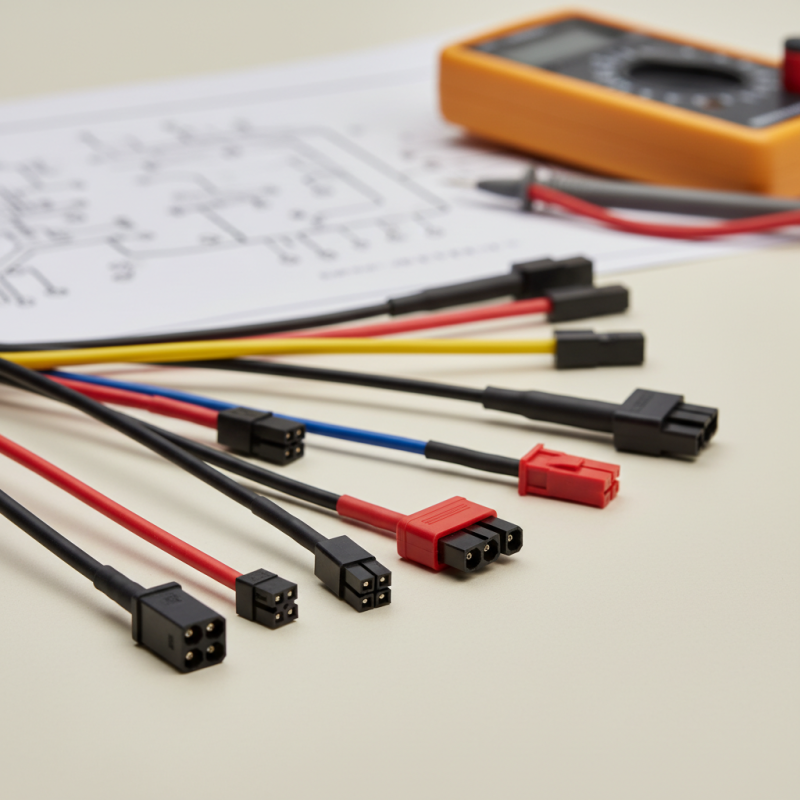
Choosing the right battery connector starts with understanding the different types available. For low-voltage applications, such as small electronic devices, typical connectors include JST and Molex. These connectors are compact and designed for easy connections. They often handle lower currents and provide a secure fit for lightweight projects.
In contrast, for higher voltage applications, like electric vehicles or renewable energy systems, consider using Anderson or XT60 connectors. These connectors handle significant current loads and ensure a reliable connection. Their robust design prevents accidental disconnects and provides safety in demanding environments. It's vital to assess not just voltage and current ratings, but also physical size and environmental resistance.
Many users overlook the importance of selecting the right connector. Often, people choose based on convenience rather than application needs. This can lead to overheating or connection failures. Always evaluate your project's requirements carefully. Adjustments may be necessary as designs evolve or as different power demands arise. Making informed choices ensures efficiency and safety in your projects.
Key Factors Influencing Battery Connector Selection: Current and Voltage Ratings
Choosing the right battery connector is crucial for any electronic project. Current and voltage ratings are key factors influencing your selection. These ratings ensure that your connectors can handle the power load without overheating or failing. Take time to assess the specific requirements of your application.
Current ratings indicate how much electricity flows through a connector without damage. Exceeding this rating can cause electrical arcing or melting. Similarly, voltage ratings specify the maximum voltage that the connector can safely handle. Using a connector with inadequate voltage ratings can lead to dangerous situations, including short circuits.
It’s essential to consider environmental factors as well. Factors like temperature fluctuations can affect connector performance. High temperatures may lead to decreased conductivity. In contrast, cold temperatures could make materials brittle. Often, connectors are overlooked; however, taking the time to choose carefully can prevent serious issues later.
Evaluating Connector Materials: Conductivity, Durability, and Environmental Resistance
When choosing a battery connector, material evaluation plays a crucial role. Different materials exhibit varying levels of conductivity. Copper is often favored for its excellent conductivity, but it may corrode over time. Aluminum connectors are lightweight and cost-effective, yet they can have lower conductivity. Choosing the right material can significantly affect your device's performance.
Durability is another essential factor. Connectors made of rugged materials can withstand harsh conditions. For instance, nylon or thermoplastic can resist physical stress. However, while these materials offer durability, they may not be as conductive. It's vital to balance these characteristics based on your specific needs. Environmental resistance should also be considered. Some materials resist moisture and chemicals, which is important for outdoor applications. Neglecting this can lead to failures in the field.
Finding the perfect connector involves trial and error. If a connector fails, it’s crucial to analyze what went wrong. Conducting tests in real-world conditions can help in making informed decisions. Each application may have unique challenges that require careful consideration of materials, conductivity, and environmental factors. Consider your priorities and be ready to adjust your choices as needed.
How to Choose the Right Battery Connector for Your Needs?
| Connector Type | Material | Conductivity (% IACS) | Durability (Cycles) | Environmental Resistance |
| Blade Connector | Copper | 95% | 500 | Water Resistant |
| Ring Terminal Connector | Brass | 80% | 1000 | Corrosion Resistant |
| JST Connector | Phosphor Bronze | 90% | 300 | Temperature Resistant |
| XLR Connector | Aluminum | 85% | 2000 | UV Resistant |
| Molex Connector | Gold-Plated | 98% | 800 | Moisture Resistant |
Analyzing Safety Standards and Regulations for Battery Connector Usage
When selecting a battery connector, understanding safety standards and regulations is crucial. The International Electrotechnical Commission (IEC) offers guidelines that ensure connectors can handle specific voltage and current levels, helping prevent overheating or failure. Additionally, under UL 1977, connectors must undergo rigorous testing for mechanical strength and electrical integrity. Research indicates that proper adherence to these standards can reduce failure rates by over 30% in critical applications.
Tips: Always check the IEC and UL ratings for battery connectors. This helps in selecting a safe and reliable option tailored to your project. Pay attention to the environmental conditions your connector will face. Extreme temperatures can affect connector performance.
Many users overlook the importance of connector compatibility. Using mismatched connectors can lead to accidents or damage. Ensure the selected connectors match not just in size, but also in electrical specifications. It's common for companies to face issues due to improperly rated connectors, often resulting in costly repairs or downtime. Always prioritize safety, which should never be compromised for convenience.
Tips for Proper Installation and Maintenance of Battery Connectors
When installing battery connectors, attention to detail is crucial. Ensure all connections are clean and free from corrosion. A simple wire brush or a cleaning solution can help. This step is often overlooked, yet it is fundamental for optimal performance. Tight connections can prevent unwanted current loss and reduce the risk of electrical shorts.
Proper maintenance is equally important. Regularly inspect your connectors for signs of wear or damage. Look for fraying wires or loose fittings. These issues can lead to failures that might not be immediately obvious. Replace any damaged parts promptly to ensure safety and reliability.
Additionally, consider environmental factors. Extreme temperatures can affect connector functionality. If the connectors are in a harsh environment, consider using heat-resistant or weatherproof options. This foresight adds another layer of reliability to your battery system. Always keep in mind that neglecting connector care can lead to significant issues down the line.
Focusing on these details fosters a safer and more efficient electrical connection.

