How to Choose the Right Fuel Oil Heater for Your Needs?

Choosing the right Fuel Oil Heater involves more than comparing prices, heating capacity, or brand names. A suitable unit must match the room size, insulation quality, fuel availability, ventilation design, and local climate. An oversized heater may cycle too often, waste fuel, and create uneven temperatures. An undersized model can run continuously while leaving cold corners near windows and exterior walls.

Thomas Butcher, a fuel-oil heating researcher at Brookhaven National Laboratory, has emphasized, “A clean, properly tuned burner is essential for efficient and reliable operation.” That principle deserves attention. A heater with excellent specifications still performs poorly when its nozzle, filter, or combustion settings receive little maintenance. Look for a model with dependable controls, accessible service parts, clear efficiency information, and strong manufacturer support. Ask a qualified technician to calculate the heating load instead of guessing from floor area alone. Experience matters here.

Safety cannot be treated as an afterthought. Confirm suitable flue arrangements, carbon monoxide protection, fuel-line condition, and adequate air supply. Local installation requirements may differ, so professional inspection remains important. This guide will compare heater types, output ratings, operating costs, maintenance demands, and practical installation concerns. It will also examine details buyers often overlook, such as startup noise, tank placement, thermostat response, and performance during freezing weather. There is no perfect choice. The best Fuel Oil Heater is the one that fits your building, budget, and maintenance habits without creating avoidable risks.

How to Choose the Right Fuel Oil Heater for Your Needs?

Understand How Fuel Oil Heaters Work

How to Choose the Right Fuel Oil Heater for Your Needs?

Understanding how a fuel oil heater works makes selection more practical. The unit stores fuel in a tank and sends it through a pump at a controlled rate. A nozzle turns the liquid into a fine spray. An ignition system then lights this spray inside the combustion chamber.

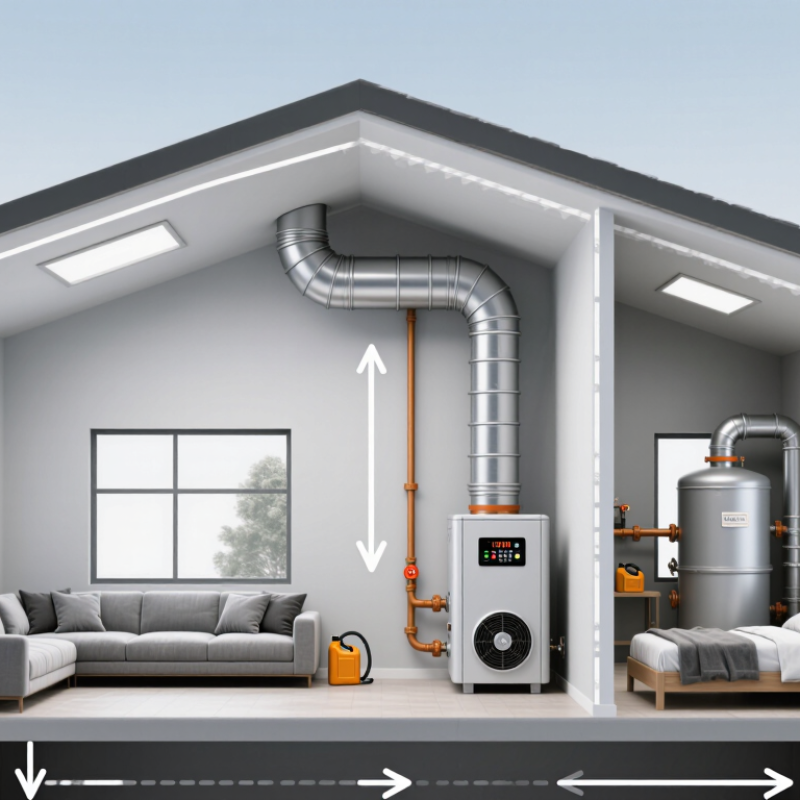
The flame heats a metal heat exchanger. A fan pushes room air across its warm surface, while a separate flue removes combustion gases outdoors. This separation matters. You want heated air inside, not exhaust. A thermostat controls the cycle by starting or stopping the burner as the room temperature changes. Some systems also include sensors that detect flame failure or blocked airflow.

Fuel use depends on several details. Room size matters. So does insulation, ceiling height, outdoor temperature, and ventilation. A heater that is too small may run constantly. One that is too large may cycle frequently, wasting fuel and creating uneven temperatures. That mistake is easy to make. Check the manufacturer’s heating-area guidance, but treat it as an estimate rather than a promise.

Before choosing, inspect the flue route, fuel storage location, electrical supply, and maintenance access. Dust on the air filter can reduce airflow. Soot around the burner may signal poor combustion and requires professional attention. Arrange regular servicing, keep combustible materials away, and use a qualified technician for installation. Heater performance can look acceptable while efficiency quietly declines.

Define Your Heating Requirements and Operating Conditions

Choosing a fuel oil heater starts with your actual heating requirements, not the room’s floor area alone. Estimate heat loss from insulation, windows, ceiling height, and local design temperature. The U.S. Energy Information Administration’s 2020 Residential Energy Consumption Survey found that fuel oil heated about 4% of U.S. homes, with much higher use in the Northeast. That regional pattern matters because colder weather increases burner runtime and fuel demand.

Record operating conditions before comparing heater output. Check the lowest outdoor temperature, expected daily running hours, ventilation, chimney draft, fuel storage, and electrical supply. A unit sized too large may cycle frequently, wasting fuel and increasing wear. A small unit may run continuously on the coldest days. The U.S. Department of Energy recommends comparing annual fuel utilization efficiency, or AFUE, rather than relying only on input capacity. However, AFUE does not fully describe losses from distribution pipes, standby periods, or poor maintenance. This is where selection becomes less exact.

Tips: Ask a qualified technician for a heat-loss calculation. Measure the room temperature at several times. Inspect the flue and tank location. Check whether the heater tolerates your fuel grade and winter viscosity. Leave service access around the burner. Field conditions are rarely perfect. I would also question unusually high efficiency claims unless test methods and operating limits are clearly documented. NFPA 31 guidance and local mechanical codes should be reviewed before installation. Keep a simple fuel-use log during the first month; real consumption can expose assumptions that looked reasonable on paper.

How to Choose the Right Fuel Oil Heater for Your Needs? — Define Your Heating Requirements and Operating Conditions
Requirement Dimension Typical Data or Range Why It Matters Selection Guidance
Required Heating Output Approximately 10–150 kW (34,000–512,000 BTU/h) for many portable and temporary heating applications The heater must provide enough useful heat to offset building heat loss, air leakage, ventilation, and outdoor conditions. Estimate the heat load first. Do not select a heater based only on floor area; insulation, ceiling height, door openings, and climate can significantly change the requirement.
Space Volume Calculate length × width × average ceiling height in cubic metres or cubic feet Large-volume spaces require more energy to raise and maintain the desired air temperature. Use room volume together with insulation quality and air-exchange information. A high ceiling or frequently opened door can increase the required output.
Target Indoor Temperature Common comfort or work-area targets: approximately 16–22°C (61–72°F) A greater difference between indoor and outdoor temperature increases heat loss. Specify both the desired indoor temperature and the lowest expected outdoor temperature during operation.
Outdoor Design Temperature Use the lowest expected operating temperature for the site; local winter design temperatures vary by location. Heater output and fuel performance may change in cold weather. Choose a unit with sufficient capacity at the actual operating temperature, not only at laboratory-rated conditions.
Building Insulation Well-insulated, moderately insulated, or poorly insulated construction Walls, roofs, windows, and floors with poor insulation lose heat faster. Allow a larger heating capacity for uninsulated warehouses, tents, workshops, and temporary structures.
Air Leakage and Door Openings Low, moderate, or frequent air exchange; loading bays may remain open for extended periods Cold replacement air can create a substantial heating load and reduce temperature stability. For frequently opened doors, consider additional capacity, air curtains, zoning, or a supplementary heating unit.
Heating Mode Direct-fired or indirect-fired operation Direct-fired heaters discharge combustion products and moisture into the heated space. Indirect-fired heaters use a heat exchanger and vent combustion gases outdoors. Use direct-fired equipment only where the application permits combustion emissions and adequate ventilation. Choose indirect-fired equipment for occupied or sensitive areas when exhaust must be removed outdoors.
Occupancy and Air Quality Unoccupied area, intermittently occupied workspace, or continuously occupied space Fuel combustion can produce carbon monoxide, nitrogen oxides, carbon dioxide, and water vapour. Never use combustion heaters in an occupied area without following the installation instructions, providing required ventilation, and using appropriate carbon-monoxide monitoring.
Fuel Type Common fuel oils include kerosene-type fuels and diesel-type fuels, subject to local regulations and heater approval Fuel cleanliness, cold-flow properties, and chemical composition affect ignition, filtration, and burner performance. Use only the fuel specified in the equipment instructions. Avoid contaminated, water-contaminated, or improperly stored fuel.
Fuel Consumption Approximately 0.08–0.10 litres per hour per kW of burner input, depending on efficiency and fuel type Fuel consumption determines operating cost, tank size, refill frequency, and runtime. Compare consumption at the required output rather than at the maximum rating. For exact planning, use the heater’s certified fuel-consumption data.
Operating Duration Short-term emergency heating, 8–12 hours per day, or continuous multi-day operation Longer operating periods increase demands on fuel storage, maintenance, ventilation, and controls. For extended operation, select a unit with suitable controls, accessible filters, safe refuelling arrangements, and an appropriately sized fuel tank.
Electrical Supply Common control supplies include 120 V or 230 V AC, depending on the region and equipment configuration The fan, pump, ignition system, thermostat, and safety controls require a compatible electrical supply. Verify voltage, frequency, current draw, plug type, grounding, and generator compatibility before installation.
Ventilation and Exhaust Required ventilation depends on heater type, fuel input, room volume, and local regulations Ventilation supplies combustion air and prevents unsafe accumulation of combustion products. Follow the manufacturer’s ventilation and flue requirements. Do not substitute a general-purpose exhaust fan for a properly designed flue system.
Temperature Control Mechanical thermostat, electronic thermostat, or external building-management control Automatic control prevents unnecessary fuel use and helps maintain a stable room temperature. Choose adjustable controls with a temperature range suitable for the application. Confirm sensor placement and cable length where remote control is used.
Portability and Installation Fixed installation, wheeled portable unit, or suspended/ducted installation Site layout, access routes, floor strength, and duct length affect practical installation. Check unit weight, dimensions, lifting points, duct compatibility, clearance requirements, and the availability of a stable, level installation surface.
Noise Level Fan and burner noise varies by design, output, installation, and distance from the heater Noise may affect offices, retail areas, classrooms, workshops, and residential applications. Review the sound-pressure rating and measurement distance. Consider a lower-output unit, acoustic separation, or an indirect-fired system where noise is critical.
Safety Features Flame-failure shutdown, overheat protection, airflow monitoring, fuel shutoff, and electronic ignition Safety controls reduce risks associated with flame failure, blocked airflow, overheating, and abnormal operation. Select equipment with documented safety controls, accessible emergency shutoff, and compliance with applicable local electrical, fuel-burning, and workplace regulations.
Maintenance Environment Clean indoor area, dusty workshop, construction site, agricultural area, or outdoor temporary application Dust and debris can block air filters, affect burners, and reduce combustion quality. For dusty environments, prioritize accessible filters, protected air intakes, serviceable burners, and a maintenance schedule based on operating hours.
Recommended Sizing Margin Use a modest reserve above the calculated heat load; avoid excessive oversizing An undersized heater may run continuously, while an oversized heater can cycle frequently, waste fuel, and provide uneven comfort. Choose the smallest suitable unit that meets the calculated design load under expected conditions, while allowing for reasonable uncertainty in heat-loss estimates.

Compare Heater Types, Fuel Options, and Heat Output

How to Choose the Right Fuel Oil Heater for Your Needs?

Choosing a fuel oil heater starts with the heating method, not the appearance. Forced-air models warm large workshops quickly, but fans can create noise and move dust. Hydronic heaters provide steady heat through radiators or pipes. They feel comfortable, although they usually respond more slowly. Radiant models warm people and nearby surfaces directly. They suit garages or work areas where full-room heating is unnecessary.

Compare fuel options carefully. Standard heating oil is widely used and stores well in suitable tanks. Some heaters accept kerosene or approved biofuel blends, but compatibility must be confirmed in the manual. Never assume one fuel is interchangeable with another. Check the heater’s heat output in BTUs or kilowatts. A small, insulated room may need less output than a drafty workshop of the same size. Oversizing can cause short cycling, wasted fuel, and uneven temperatures. I have found that simple room measurements often prevent expensive mistakes.

Tips: Measure the room, ceiling height, insulation, and outdoor exposure. Choose a model with adjustable output when possible. Confirm ventilation, tank placement, exhaust requirements, and professional installation rules. Inspect filters and fuel lines regularly. A heater that runs quietly but smells strongly needs attention, not patience. Personal comfort also matters. A technically efficient heater may still disappoint if its heat feels too harsh or its controls seem confusing.

Evaluate Safety Features, Efficiency, and Maintenance Needs

How to Choose the Right Fuel Oil Heater for Your Needs?

A suitable fuel oil heater should protect your household before it produces warmth. Look for flame-failure shutoff, overheat protection, and a clearly marked emergency switch. A carbon monoxide alarm belongs nearby, even with modern safety controls. Check that the installation area has proper ventilation and enough clearance from curtains, boxes, and stored fuel. Local installation rules and the heater’s manual should guide every decision. A qualified technician can confirm burner adjustment, exhaust routing, and combustion safety.

Efficiency and Operating Cost

Efficiency affects both comfort and operating cost. Compare seasonal efficiency ratings, but do not judge by numbers alone. A correctly sized heater usually performs better than an oversized unit that cycles constantly. My first heat-loss estimate was too optimistic. A room-by-room assessment would have prevented that mistake. Ask how the unit performs during cold starts and whether replacement parts remain available. Small details matter.

Tips:

Inspect the fuel filter and nozzle before the heating season. Remove soot during professional servicing. Keep the burner area clean and dry. Test the carbon monoxide alarm monthly. Record unusual smells, smoke, delayed ignition, or strange sounds. Do not ignore them. Annual maintenance is a practical minimum, although dusty homes or older systems may need more frequent checks. A service record also helps technicians identify recurring problems before they become expensive.

Choose the Right Size, Installation Method, and Budget fit

Choosing a fuel oil heater starts with the room, not the product label. Measure floor area, ceiling height, insulation, window exposure, and winter temperatures. A heat-loss calculation gives a safer target than guessing from square footage. An oversized heater may cycle frequently, waste fuel, and create uneven warmth. An undersized unit may run continuously. That gets expensive. During a previous inspection, cold corners revealed poor insulation rather than a weak heater. I had underestimated a draft near an old door.

Installation method also affects comfort and reliability. Check whether your home already has a suitable flue, fuel tank, electrical supply, and service space. Fixed systems usually require professional installation and inspection. Combustion air and exhaust must follow local building and safety requirements. Never place equipment where blocked ventilation, leaking fuel, or difficult maintenance could become risks. Add carbon monoxide protection where required. Small details matter. I would recheck clearances after installation, because furniture often moves later.

Budget beyond the purchase price. Include delivery, professional labor, flue work, tank preparation, fuel, filters, annual servicing, and possible repairs. A cheaper heater can become costly if it needs frequent maintenance or wastes fuel. Ask for an itemized estimate and confirm warranty conditions in writing. Keep access around the heater clear for inspections. No estimate is perfect. A realistic reserve for unexpected installation work is wiser than spending every dollar upfront.