What is Heat Insulation and How Does It Work?
Heat Insulation is a critical aspect of building design and sustainability. It serves to minimize heat transfer, enhancing energy efficiency in residential and commercial structures. According to a report by the International Energy Agency (IEA), nearly 30% of energy consumption in buildings is linked to heating and cooling. Effective heat insulation can significantly reduce these costs.
Industry expert Dr. Sarah Mitchell, a leading figure in thermal efficiency research, emphasizes, "The right heat insulation materials can save homeowners up to 50% on their energy bills." These savings highlight the importance of selecting appropriate insulation types, such as fiberglass, foam, or reflective barriers.
Yet, the industry faces challenges. Many consumers remain unaware of their insulation options, leading to underperformance. Additionally, mismatched insulation can lead to issues like moisture buildup and mold. Exploring heat insulation's facets is essential to making informed choices for a sustainable future.
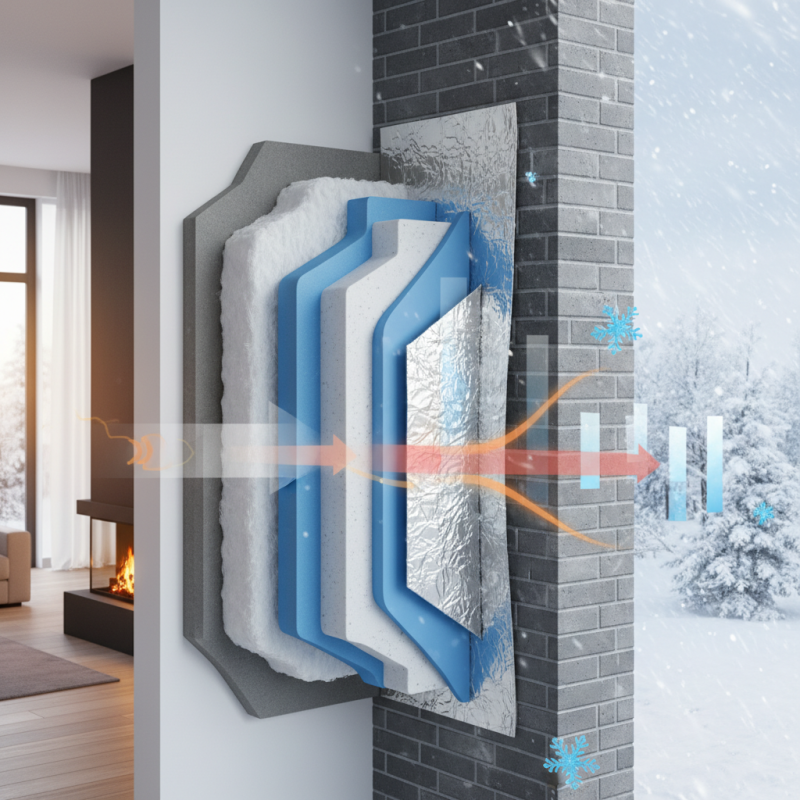
Definition of Heat Insulation: Principles and Importance in Construction
Heat insulation is a vital aspect of modern construction, impacting energy efficiency and sustainability. It refers to materials and techniques that reduce heat transfer between the interior of a building and the outside environment. The effectiveness of insulation is measured in terms of its R-value, which indicates resistance to heat flow. The higher the R-value, the better the insulating properties. According to the U.S. Department of Energy, proper insulation can reduce energy consumption by up to 30%.
The principles of heat insulation involve conduction, convection, and radiation. Materials like fiberglass, foam, and cellulose trap air, slowing heat transfer. However, many buildings do not meet optimal insulation standards. Studies show that around 80% of homes in the U.S. are inadequately insulated. This underperformance can lead to increased energy expenses and discomfort. Insufficient insulation not only affects the environment but also reduces indoor air quality.
Understanding heat insulation is crucial for builders and architects. It plays a significant role in sustainable design. While advancements in materials provide better options, challenges remain regarding cost and installation practices. Proper training and awareness can help address these issues. The importance of effective heat insulation cannot be overstated, as it directly affects the comfort and energy efficiency of buildings.
What is Heat Insulation and How Does It Work?
| Dimension | Value | Importance |
| Thermal Conductivity (W/m·K) | 0.035 | Lower values reduce heat transfer |
| R-value (m²·K/W) | 2.5 | Higher R-values indicate better insulation |
| Thickness (cm) | 10 | Increased thickness enhances insulation efficiency |
| Cost (per m²) | $15 | Investing in insulation reduces energy bills |
| Life Span (years) | 50 | Long-lasting insulation saves costs over time |
Types of Heat Insulation Materials: Comparison of Effectiveness and Costs
Heat insulation plays a crucial role in energy efficiency and comfort in various settings. The right materials can significantly impact the effectiveness of heat retention or dissipation. Common types of heat insulation include fiberglass, foam board, and reflective barriers. Each material has unique benefits and drawbacks. Fiberglass, for instance, is widely used and affordable but may require professional installation for optimal results. It is not waterproof, which can lead to mold issues if moisture gets trapped.
Foam board insulation, known for its excellent thermal resistance, is ideal for exterior walls and foundations. It is more expensive than fiberglass but provides superior insulation. Reflective barriers, often found in attics, can dramatically reduce heat transfer. They work best in hot climates but may not be as effective in cooler regions. While choosing insulation, consider factors such as local climate, building type, and long-term energy savings.
Despite the variety of available options, many homeowners face challenges in selecting the right material. Costs can vary widely, leading to confusion. Misjudgments can occur when considering initial expenses versus long-term benefits. Balancing cost-effectiveness with energy efficiency can be challenging but is essential for making the right choice. Research and professional advice are often necessary to ensure the best investment in heat insulation.
Effectiveness of Different Heat Insulation Materials
This chart illustrates the effectiveness of various heat insulation materials based on their R-values (thermal resistance). Higher R-values indicate better insulating properties. The cost for each material is also taken into account for a comprehensive comparison.
Thermal Conductivity: Measuring the Efficiency of Heat Insulation
Thermal conductivity is a key factor in understanding heat insulation. This property measures how well a material can transfer heat. A lower thermal conductivity means better insulation. For instance, materials like fiberglass and foam are commonly used due to their low thermal conductivity values. These materials trap air and reduce heat flow, keeping spaces comfortable.
The efficiency of heat insulation relies heavily on this measurement. Building professionals often evaluate materials based on their thermal conductivity. When selecting insulation, it's crucial to consider not just the R-value but also the specific thermal properties. Sometimes, the materials may look similar but behave differently under various conditions.
Analyzing these properties can be complex. Real-world situations often reveal gaps in performance expectations. For example, insulation may perform well in laboratories but poorly in a typical home. This discrepancy can lead to dissatisfaction and higher energy costs. Understanding the nuances of thermal conductivity is essential for making informed choices in insulation materials.
Applications of Heat Insulation: Residential, Commercial, and Industrial Use
Heat insulation plays a crucial role in various sectors, including residential, commercial, and industrial applications. In homes, effective insulation can reduce energy costs by up to 30%, according to the U.S. Department of Energy. Proper insulation helps maintain comfortable indoor temperatures year-round. However, many homes don’t have adequate insulation, leading to wasted energy and higher utility bills.
In commercial buildings, heat insulation improves energy efficiency and workplace comfort. A study by the American Council for an Energy-Efficient Economy indicates that properly insulated commercial structures can save up to 20% on heating and cooling costs. These savings not only benefit the bottom line but also contribute to a greener environment. Yet, many buildings still fall short of optimal insulation standards.
Industrially, heat insulation materials are essential for equipment protection and energy conservation. The International Energy Agency mentions that poorly insulated industrial processes waste significant amounts of energy. Using the right insulation can enhance process efficiency and reduce greenhouse gas emissions. Unfortunately, many industries overlook the importance of regular insulation maintenance, leading to inefficiencies and increased operational costs.
Impact of Heat Insulation on Energy Efficiency and Sustainability Goals
Heat insulation plays a crucial role in enhancing energy efficiency and supporting sustainability goals. By minimizing heat transfer, insulation helps maintain comfortable indoor temperatures year-round. This minimizes the need for heating and cooling systems, leading to significant energy savings. When homes and buildings are well-insulated, they consume less energy, which is key to reducing greenhouse gas emissions.
However, not all insulation materials are created equal. Some options may have a lower environmental impact than others. Selecting the right type of insulation can influence the overall carbon footprint of a building. Aesthetic decisions can also affect choices, as some materials may not appeal to everyone. It’s essential to weigh efficiency against sustainability.
Many older structures suffer from inadequate insulation. Upgrading these buildings can be challenging. It may require substantial investment, but the long-term benefits often outweigh the initial costs. Striking a balance between effective insulation and eco-friendly materials demands careful consideration. Each decision impacts energy consumption and sustainability efforts, forcing us to continuously reflect on our choices.

